Article: Lilian van Trapp
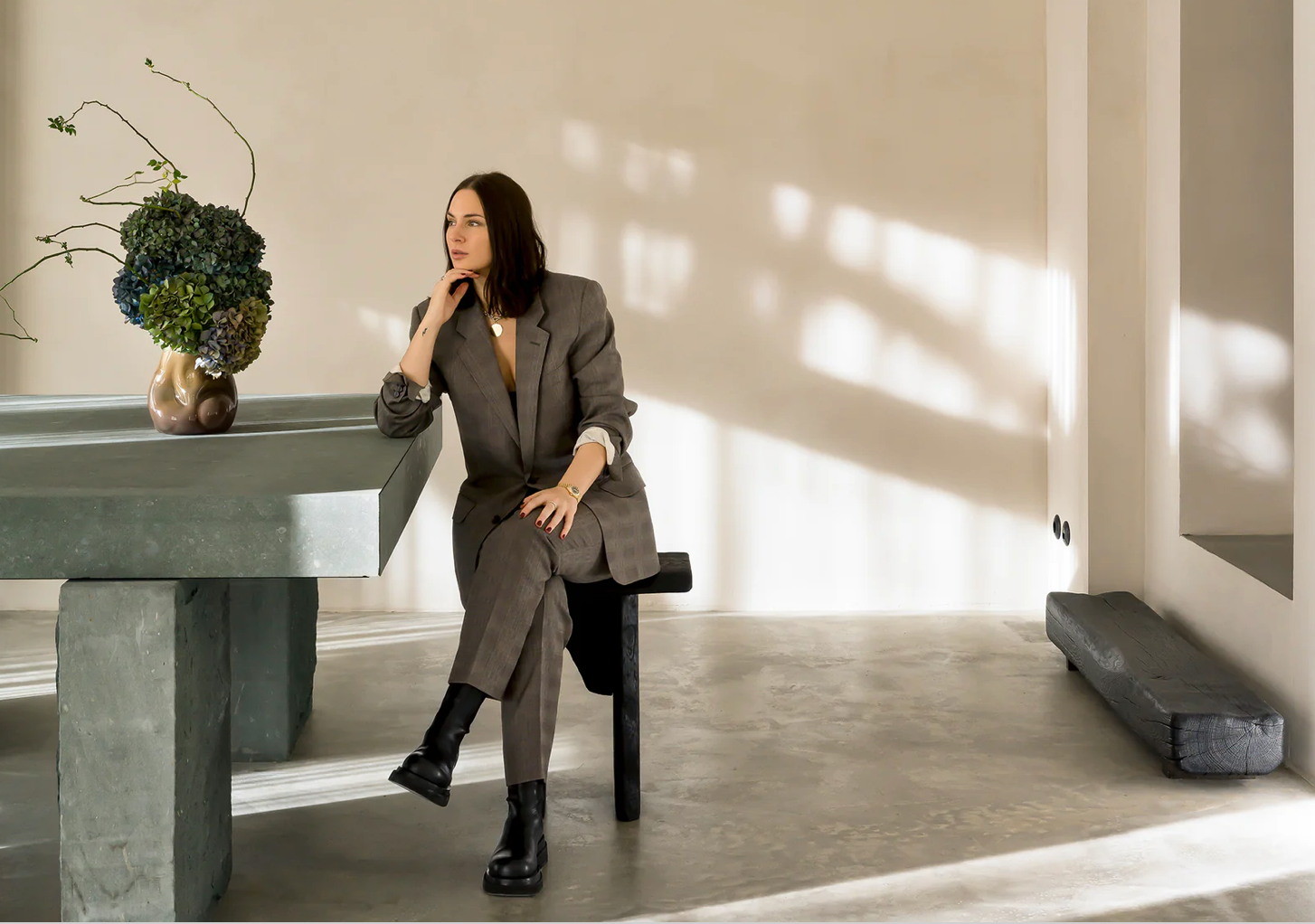
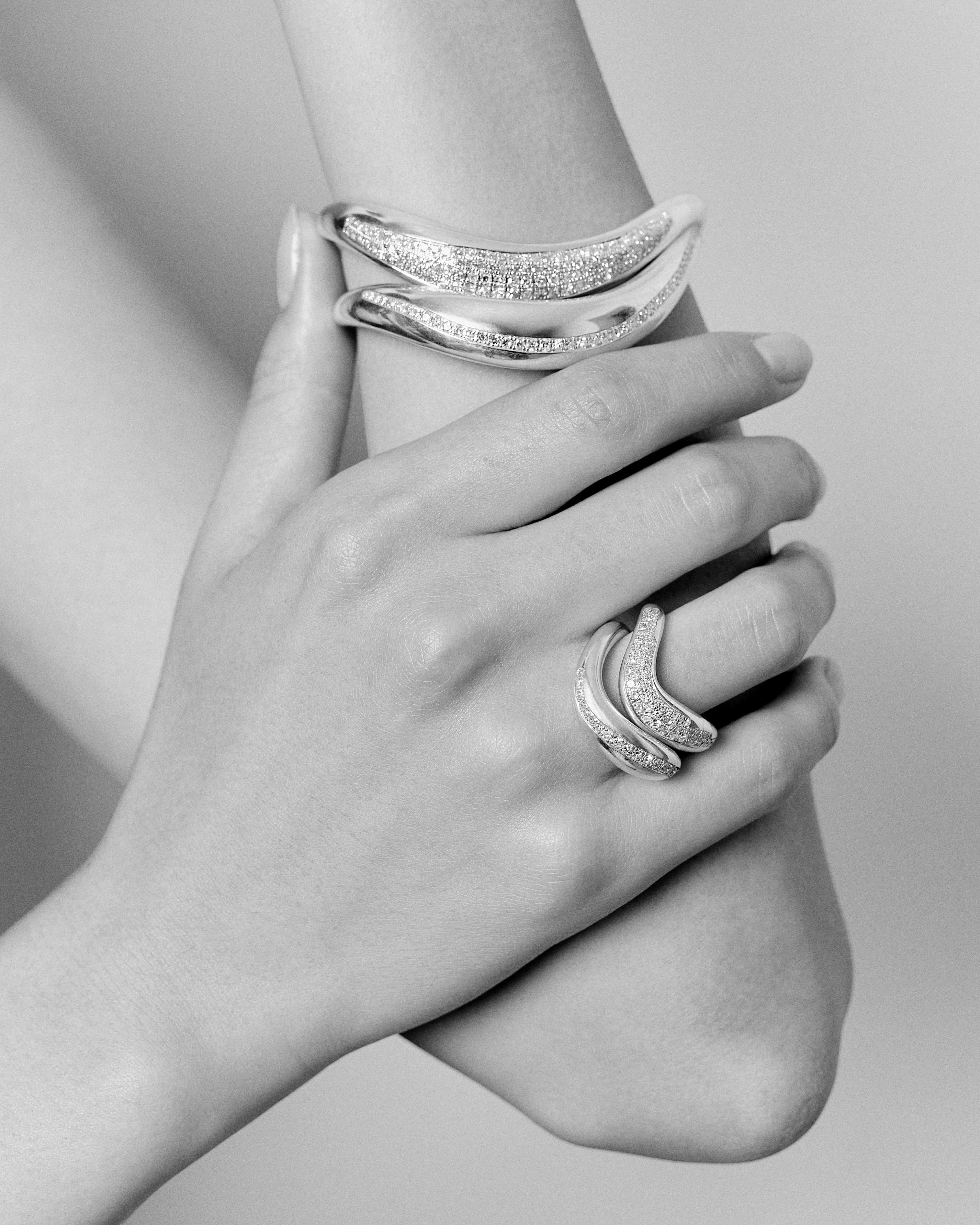
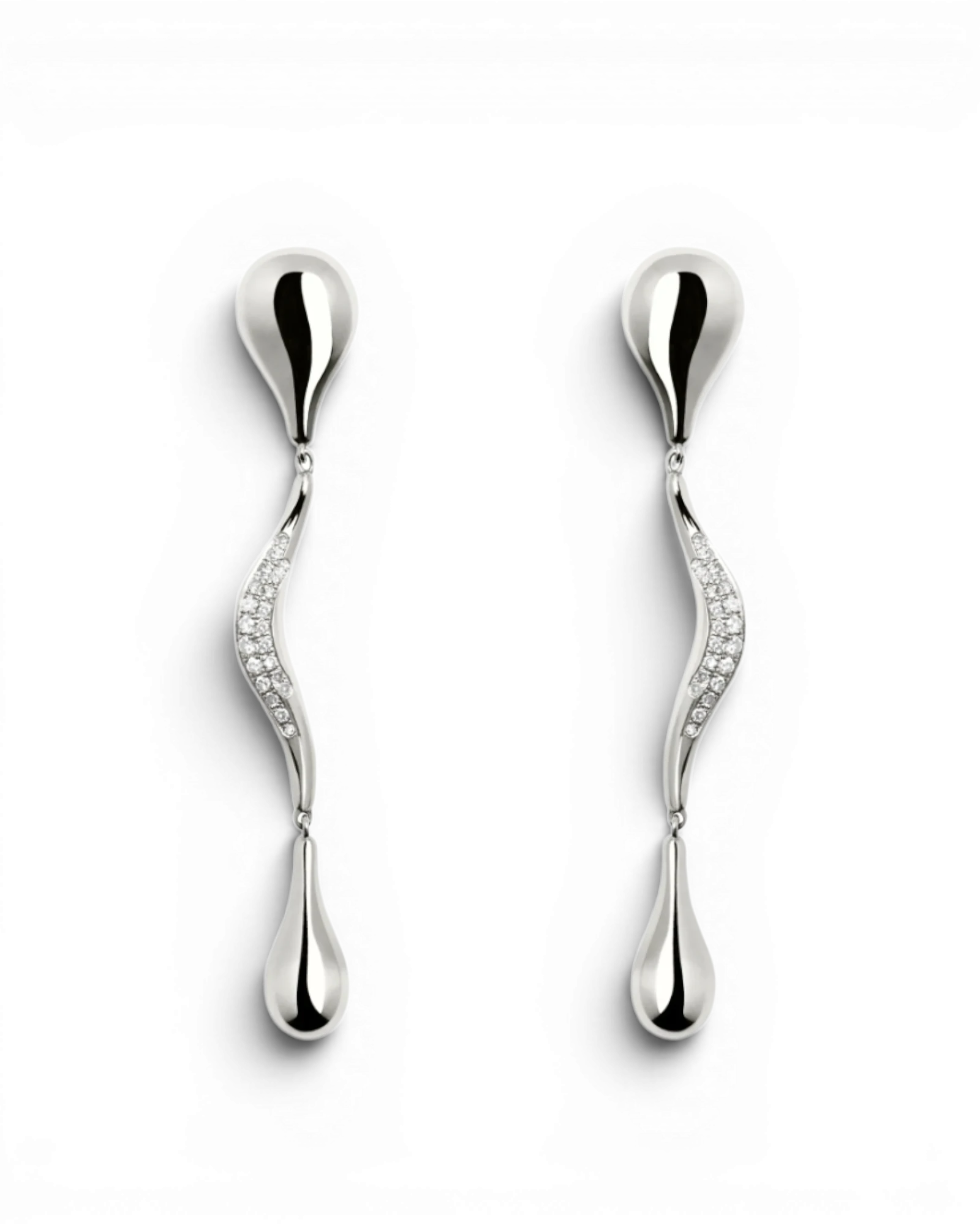
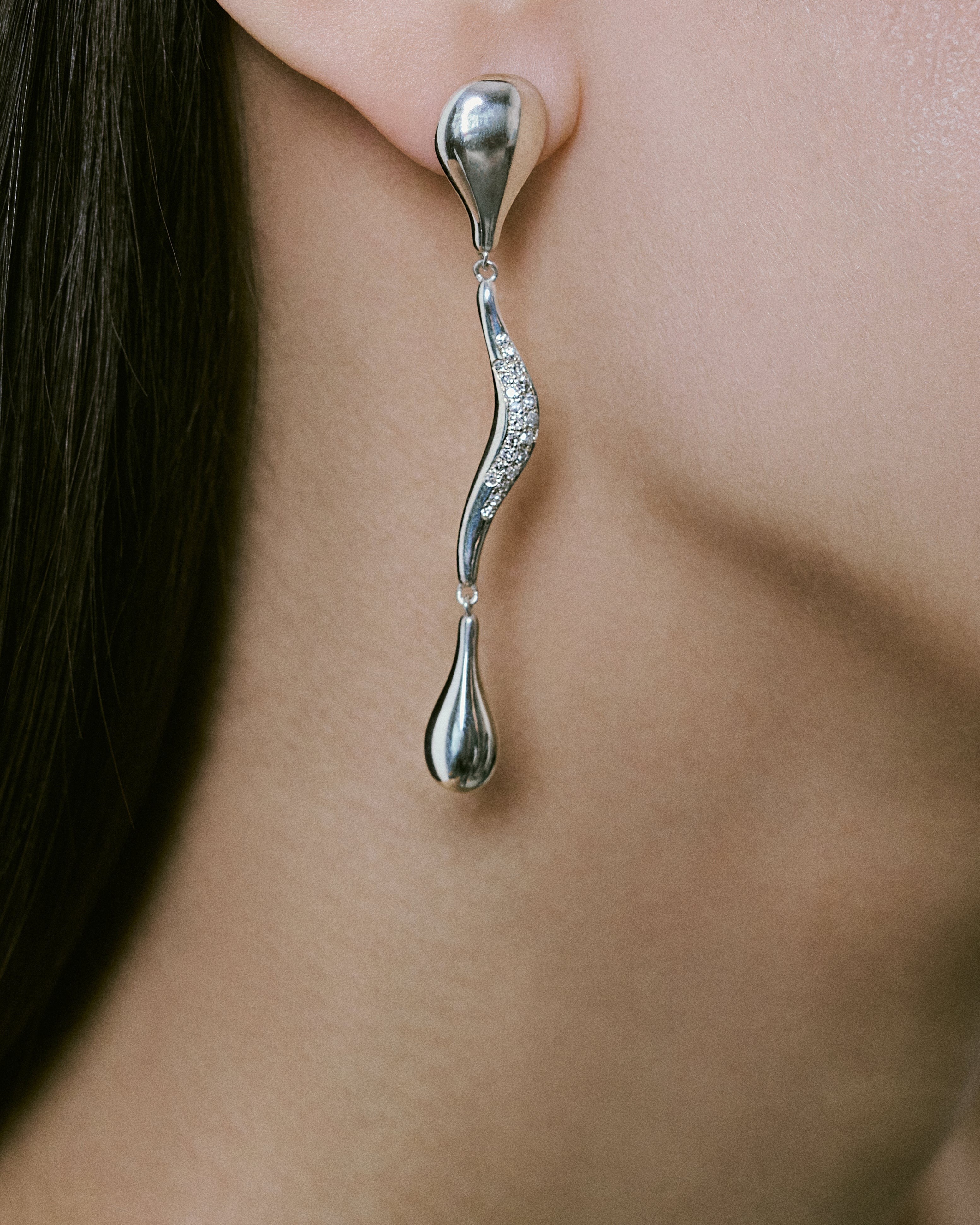
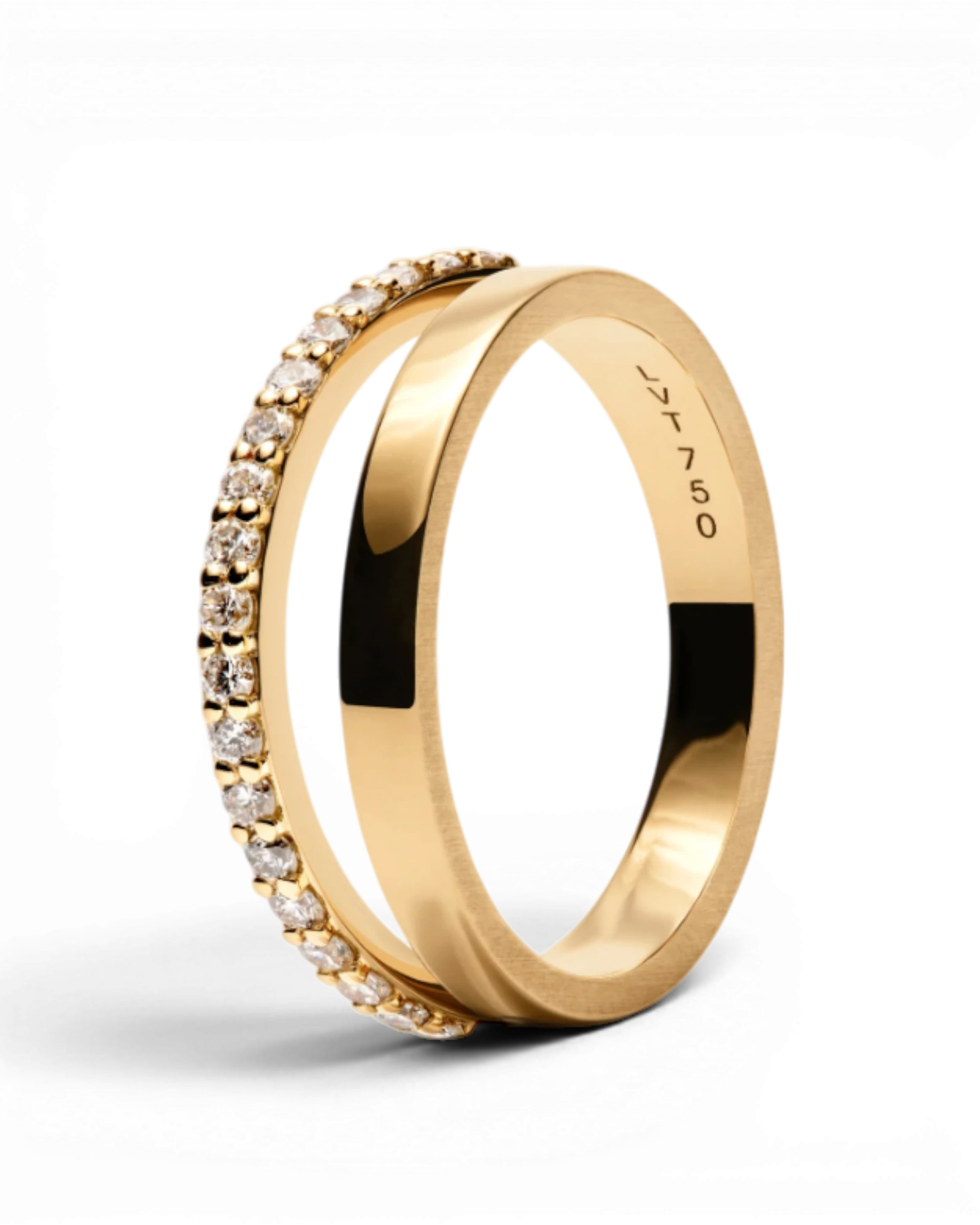
From its founding to its status as a pioneer in ethical fine jewelry, Lilian von Trapp reflects an unwavering commitment to innovation, sustainability, and the reinterpretation of luxury. The story of Lilian von Trapp begins in Berlin, a city renowned for creativity and resilience. Her law studies at Humboldt University shaped her sense of ethics and precision – values that later became the pillars of her brand.
1. Dear Lilian, how did you come to decide not to work as a lawyer after all, but to design jewelry instead?
I studied law because I was interested in questions of responsibility and justice. At the same time, I realized early on that creative work appealed to me more – especially the combination of craftsmanship, material, and emotional value.
For me, jewelry has a special power because it is not just an object. It accompanies people for many years, often over generations. It contains memories, relationships, and personal stories. At some point, it became clear to me that I wanted to work in precisely this field.
The step away from a legal career was therefore not a break, but rather a consequence. The precision and sense of responsibility from my law studies continue to shape my work to this day – just in a different medium.
2. You are committed to producing jewelry in a particularly sustainable way. What is important to you in this regard?
For me, sustainability doesn't start with the finished product, but with every decision before it: Where does the material come from? Under what conditions was it obtained? How durable is the design? And can a piece of jewelry be worn, adapted, or passed down for decades?
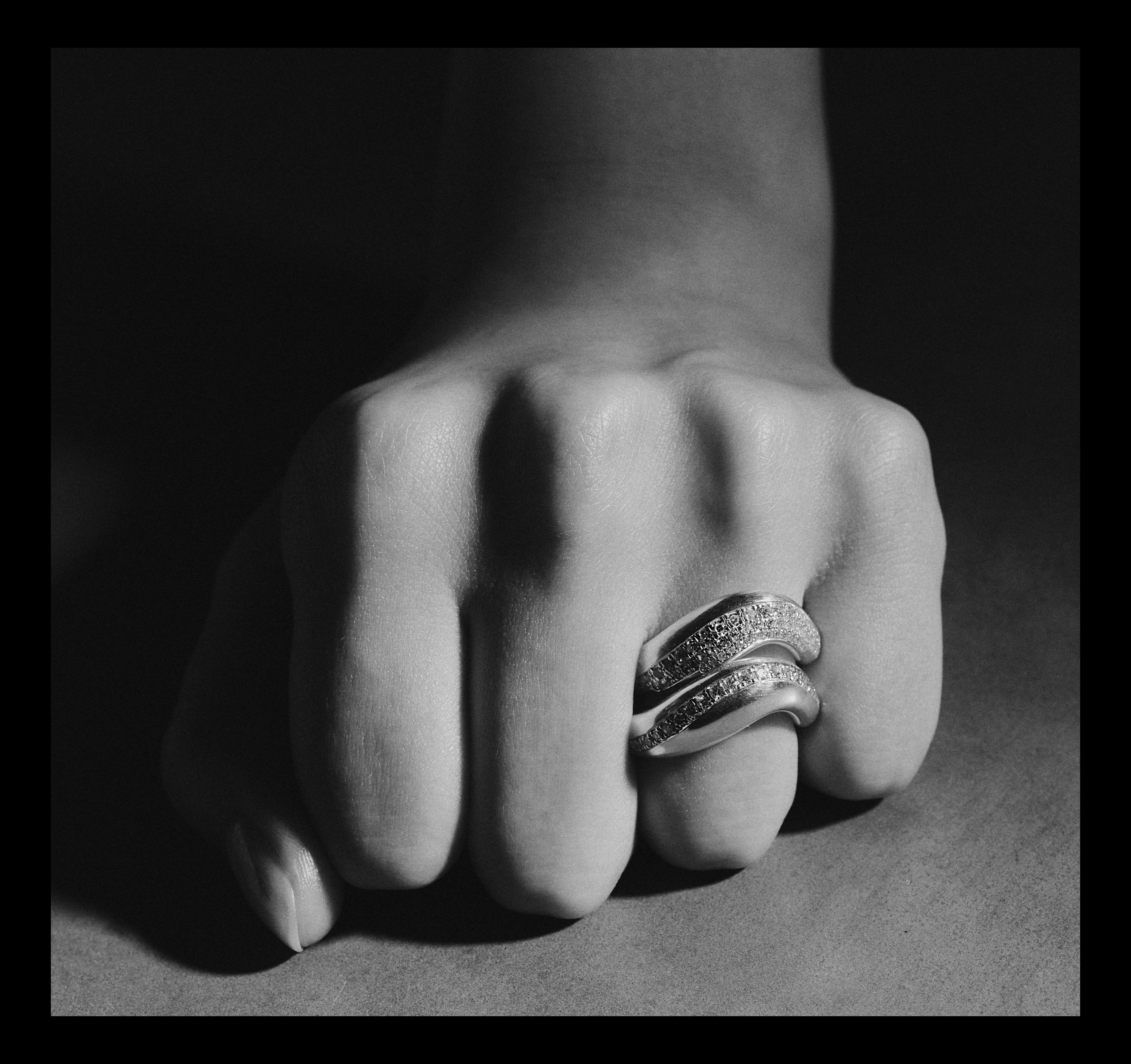
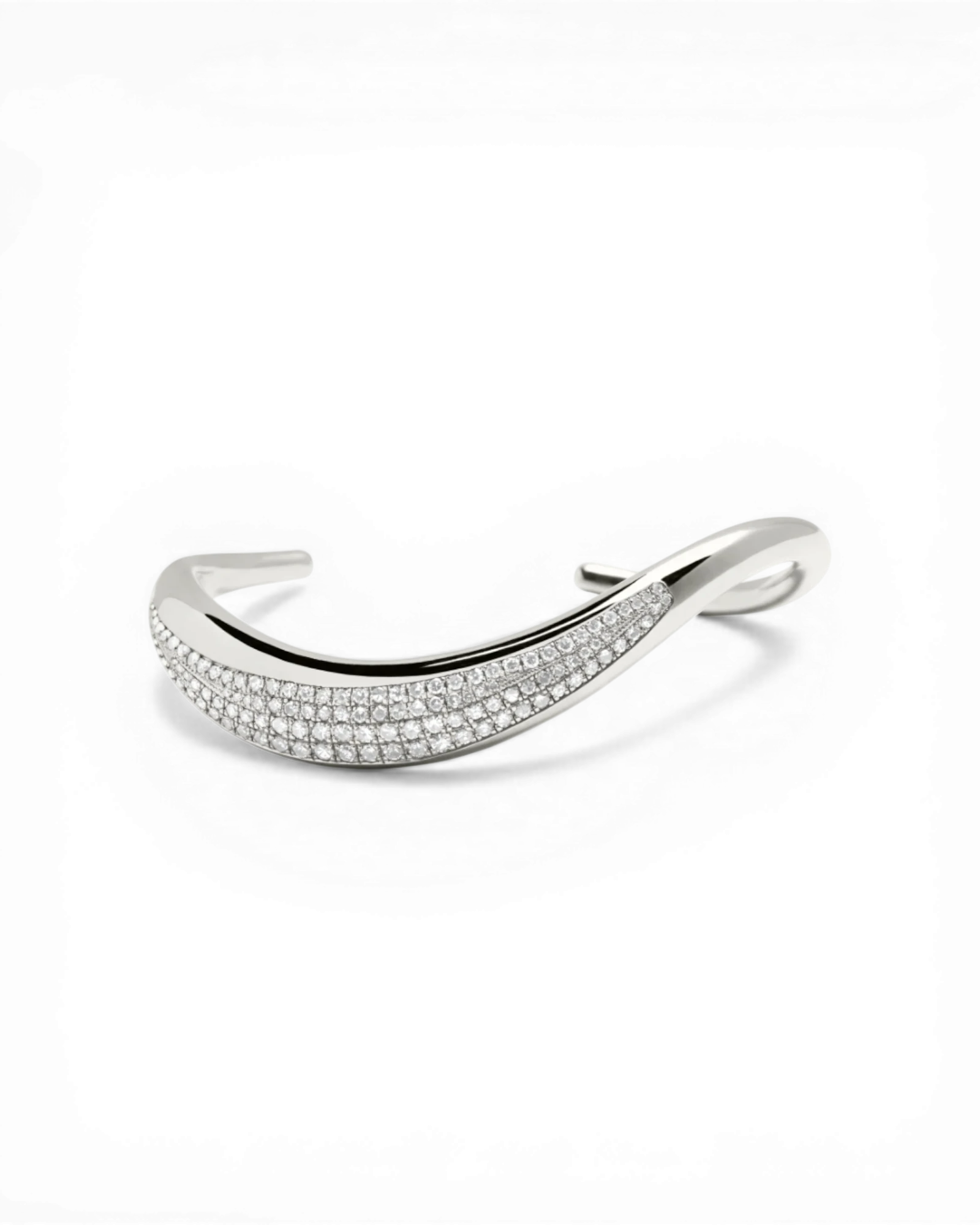
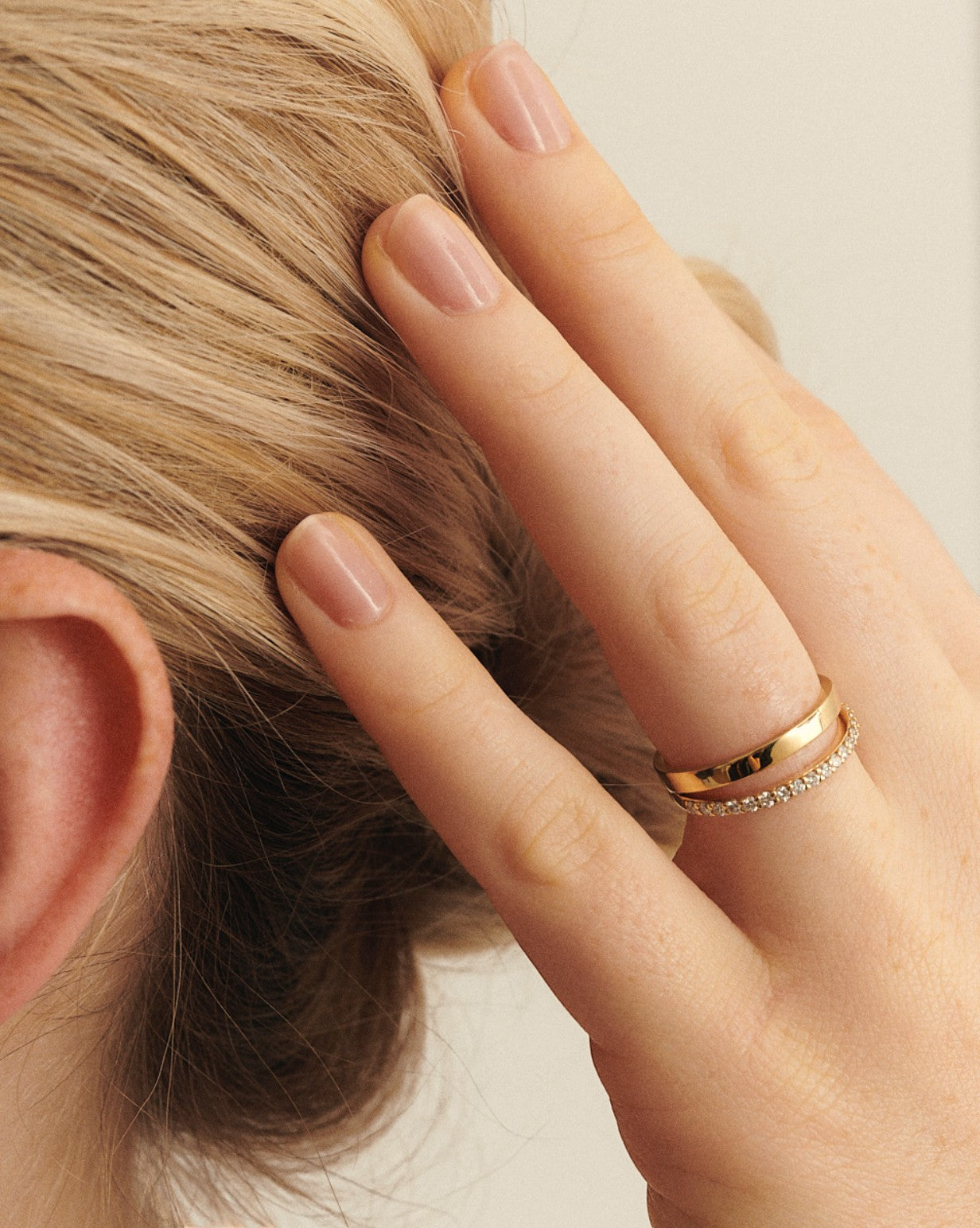
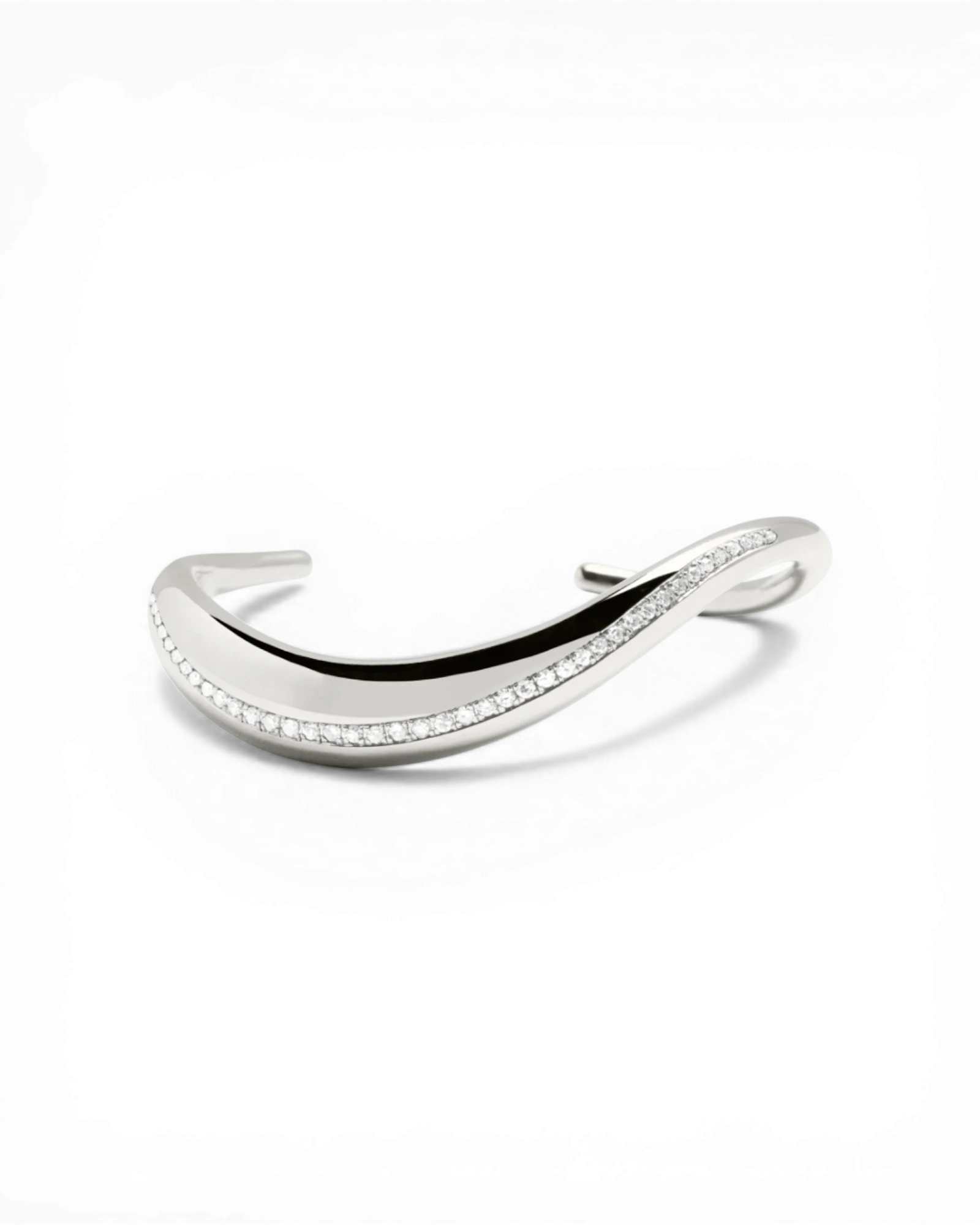
We work with recycled gold and vintage diamonds because I don't believe that modern luxury should rely on new resource extraction. Especially with fine jewelry, there are already so many valuable materials in circulation. It makes more sense to bring them into a contemporary form.
It is also important to me that sustainability is not understood as a marketing term. It's about concrete decisions: local manufacturing, short distances, high craftsmanship, and jewelry that doesn't need to be replaced after one season. For me, true luxury is not loud or fleeting, but responsibly made and permanently relevant.
3. What inspires you in your designs?
I am inspired by proportions, the material itself, and by the people who will wear it or whom I imagine wearing it. Sometimes, for me, the design doesn't start with a drawing, but with a feeling for the person.
4. You have a young son. Have you designed a piece of jewelry for him yet?
Not yet in the sense that I have designed a specific piece of jewelry for him. But of course, I think about what I want to pass on to him someday.
For me, it's less about a single object than about the idea of values. I want to leave him something that endures.
Especially since becoming a mother, my view on jewelry has changed again. The question of what remains and what one passes on has become much more concrete. Jewelry can be a very quiet but strong bearer of memory. That is something I would like to pass on to my son one day.