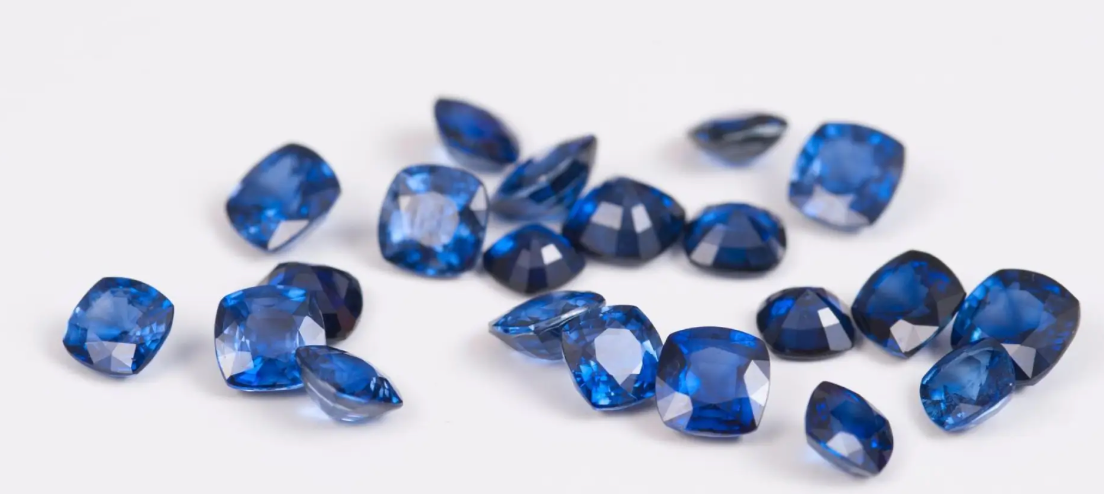
Article: Care of real jewelry, diamond jewelry and gold jewelry
By Lilian von Trapp
Jewelry often accompanies us for many years. Some pieces we wear daily, others only on special occasions. That's why I believe it's important to understand how to properly care for jewelry. Fine jewelry is not just an accessory; it is often connected to memories, personal moments, and value. For jewelry to maintain its beauty, luster, and stability for a long time, it needs attention. Many signs of wear and tear are not caused by major damage but by everyday factors: cream, perfume, soap, sweat, dust, or improper storage. Consciously caring for your jewelry not only protects its appearance but also extends its lifespan. I'd like to share this knowledge because good care is often simpler than many people think.
It doesn't start with professional cleaning, but with how you handle your jewelry in daily life.
Why Jewelry Care Is Important
Fine jewelry is made to be worn. Nevertheless, every piece of jewelry is exposed to stress in everyday life. Skin contact, cosmetic products, cleaning agents, water, chlorine, sunscreen, and mechanical friction can leave their mark. Surfaces lose their luster over time, settings can loosen, stones may appear duller, and delicate chains or rings can be damaged by improper handling.
Good care protects the material, stones, and craftsmanship. This careful handling is especially worthwhile for high-quality jewelry.
General Care for Fine Jewelry
Fine jewelry should be protected as much as possible from cosmetics, chemicals, and strong mechanical stress. A simple rule is: jewelry should be the last thing you put on and the first thing you take off. Perfume, creams, and makeup should be fully absorbed or dry before putting on jewelry.
Jewelry should ideally be removed during sports, cleaning, showering, swimming, or sleeping. Cleaning agents, chlorine, and salt water, in particular, can attack materials and surfaces. Also, wearing jewelry while sleeping can lead to tangled chains, strained settings, or bent delicate pieces.
For many jewelry pieces, a soft, lint-free cloth is suitable for cleaning. Light residue can be carefully removed. For heavier soiling, lukewarm water with a mild soap can be used, provided the jewelry piece and its stones are suitable for it. Afterwards, the jewelry should be thoroughly rinsed with clear water and carefully dried with a soft cloth.
Important: Not all jewelry should be cleaned in the same way. Pearls, emeralds, or other sensitive stones react much more sensitively to water, heat, soap, or cleaning agents than diamonds. If in doubt, jewelry should be professionally inspected and cleaned.
Proper Storage
Storage also plays a big role. Jewelry should be stored dry, clean, and, if possible, separately. If jewelry pieces are loosely together in a dish or drawer, they can scratch each other. Diamonds, in particular, can damage other gemstones or metal surfaces due to their hardness.
Jewelry boxes with individual compartments, soft fabric pouches, or padded cases are ideal. Chains should preferably be closed and stored separately so they don't tangle. Rings, earrings, and bracelets also benefit from separate storage.
Moisture should be avoided. The bathroom is therefore not an ideal place for jewelry, as it often has high humidity. A dry, protected place without direct sunlight is better.
Care for Diamond Jewelry
Diamonds are very hard and durable, but they can still lose their brilliance over time. The reason is usually not the stone itself, but deposits on its surface. Skin oil, cream, soap, and dust can settle on the diamond and impair its light reflection. This makes it appear duller, even though it is not damaged.
Diamond jewelry can be cleaned gently regularly. Lukewarm water with a little mild soap is usually suitable for this. The jewelry piece can be briefly soaked and then carefully cleaned with a very soft brush, especially around the setting. Afterwards, it should be thoroughly rinsed and carefully dried. Care should be taken. Even if the diamond itself is robust, this does not automatically apply to the setting. Prongs, fine settings, or delicate details can be sensitive. Therefore, diamond jewelry should be regularly checked by a professional. Especially for rings worn daily, it is advisable to have the setting checked to ensure the stone is securely seated. Diamond jewelry should also be stored separately from other jewelry. Diamonds can scratch other jewelry pieces if they come into direct contact.
Care for Gold Jewelry
Gold is a high-quality and durable precious metal, but not insensitive. Pure gold is relatively soft. Depending on the alloy, surface, and workmanship, gold jewelry can react differently to everyday influences. Gold jewelry can appear duller over time due to friction, cosmetics, dust, or soap residue. Polished surfaces can get fine scratches, and matte surfaces can change with wear. This is normal for regularly worn jewelry and part of its use. A soft jewelry cloth is often sufficient for care. For heavier residue, gold jewelry can be carefully cleaned with lukewarm water and mild soap. Afterwards, it should be thoroughly rinsed and completely dried. Aggressive cleaning agents, abrasive cleaners, toothpaste, or hard brushes should not be used, as they can damage surfaces.
What to Avoid
Jewelry should not unnecessarily come into contact with chemicals. This includes household cleaners, disinfectants, chlorine, perfume, hairspray, and aggressive cosmetic products. Even supposed home remedies are not always suitable. Toothpaste, baking soda, or abrasive cleaning pastes can scratch surfaces or attack sensitive materials. Ultrasonic cleaners can be helpful for certain jewelry pieces, but are not suitable for all jewelry. Especially jewelry with sensitive gemstones or already loosened settings should not be cleaned in an ultrasonic bath without professional assessment.
Heat and strong temperature fluctuations can also be problematic. Some gemstones are sensitive to this. Therefore, jewelry should not be stored permanently in direct sunlight, on radiators, or in humid rooms.
Professional Inspection and Cleaning
In addition to home care, regular professional inspection is advisable. A professional can check whether settings are still secure, clasps work well, chains are intact, and stones are firmly seated. This is particularly important for jewelry worn daily, such as engagement rings, wedding rings, stud earrings, or fine chains.
Professional cleaning can also remove dirt that is difficult to reach at home. However, it does not replace careful handling in everyday life. The best approach is a combination of conscious daily care, proper storage, and occasional professional inspection.
Lilian's Conclusion
Fine jewelry, diamond jewelry, and gold jewelry best retain their beauty if they are consciously worn, properly cleaned, and carefully stored. Small habits make a big difference: remove jewelry before showering, sports, or cleaning, let cosmetics absorb first, store jewelry pieces separately, and clean them gently regularly. Good jewelry care is not a complicated task. It is a form of appreciation for the materials, the craftsmanship, and the personal significance of a piece of jewelry. Those who care for their jewelry ensure that it not only looks beautiful today but can also be worn, remembered, and passed down for many years to come.