Article: Etwas über Saphire
The fascinating world of sapphires
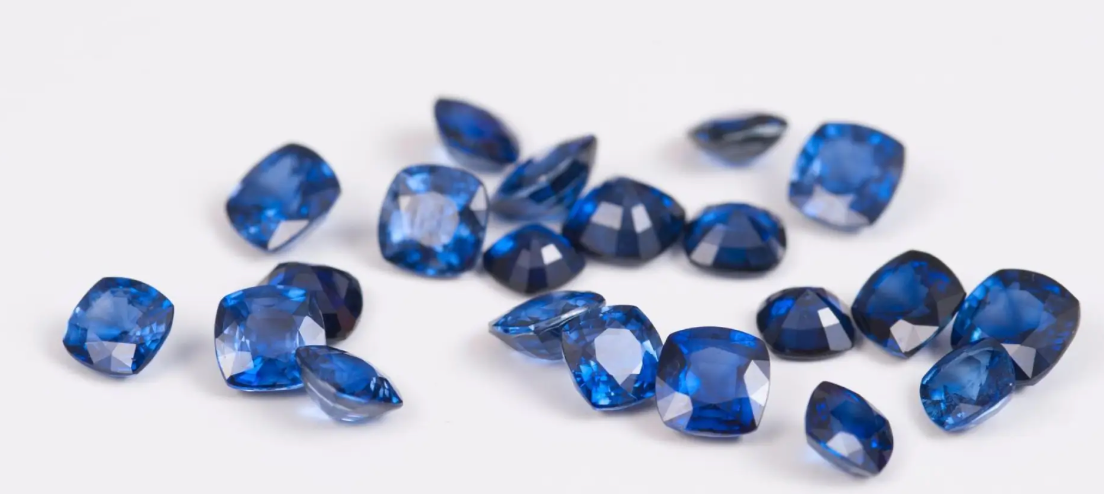
Sapphires are among the most precious and coveted colored gemstones in the world. As a variety of the mineral corundum, they are primarily known for their deep, velvety blue – a color effect created by trace elements such as iron and titanium. However, the beauty of the sapphire extends far beyond this classic hue: in so-called “fancy sapphires,” it appears in almost all colors of the spectrum. Only the red variety has its own name – it is known as ruby.
With a hardness of 9 on the Mohs scale, sapphires are among the most durable gemstones of all. This extraordinary durability not only makes them an ideal companion for everyday jewelry but also a symbol of constancy, trust, and wisdom. Not least, they are considered the birthstone of September.
Color variety with character
In addition to the iconic blue, sapphires captivate with an impressive range of colors: from delicate yellow to vibrant green and intense pink, all the way to rare orange, known as Padparadscha. Even colorless varieties possess a clear, timeless elegance.
Origin of the precious stones
The most significant sapphire deposits are found in traditional regions such as Kashmir, Myanmar (formerly Burma), and Sri Lanka (Ceylon). In addition, many of the stones processed today come from Madagascar, Thailand, Cambodia, and Australia. Each origin uniquely shapes the character and color nuances of the gemstones.
Quality and special features
Sapphires with an intense, uniform blue – often referred to as "cornflower blue" – are particularly prized. As with all gemstones, clarity and cut play a decisive role in their effect. Interestingly, fine inclusions can not only influence the value but also create fascinating optical effects, such as the so-called asterism, where a star-shaped play of light appears on the surface.
Versatility in jewelry and technology
Sapphires are an integral part of high-quality jewelry creations – from classic engagement rings to modern designer pieces. Thanks to their exceptional hardness, they are also used in watchmaking, for example, as scratch-resistant watch crystals, as well as in technical and optical applications.